
Human Centric Home Organization
Description
During my senior year of high school, I wanted to find a way to earn money while using a skill I had been developing my whole life: organization. Growing up, I often helped my family reorganize kitchens, garages, and shared spaces—projects that taught me that true organization isn’t just about making something look nice. It’s about creating systems that are functional, intuitive, and sustainable for the people who use them.
With that mindset, I started a small organizational business and worked with friends and family to transform different areas of their homes. As I collaborated with clients to understand how they used their spaces, we designed systems together that were both beautiful and practical—solutions they could maintain long after I left.
Problem
The core challenge behind each project was the same: people didn’t just need their spaces to look organized—they needed them to work for their daily routines. Many disorganized spaces weren’t the result of laziness, but of systems that didn’t match the way people lived. My goal was to create organization that was intuitive, sustainable, and personalized to each client’s habits and needs.
Solutions
Understanding Client Needs
Met with each client to learn how they used their space and what wasn’t working.
Observed the natural flow of the room to identify where items needed to live for ease, sustainability, and long-term organization.
Designing Functional Systems
Created organization plans tailored to each client’s habits, preferences, and lifestyle.
Collaborative Implementation
Worked side-by-side with clients during the organizing process to increase ownership and understanding.
Sorted, categorized, and repositioned items together to build systems that made sense to them.
Hands-On Organization & Problem-Solving
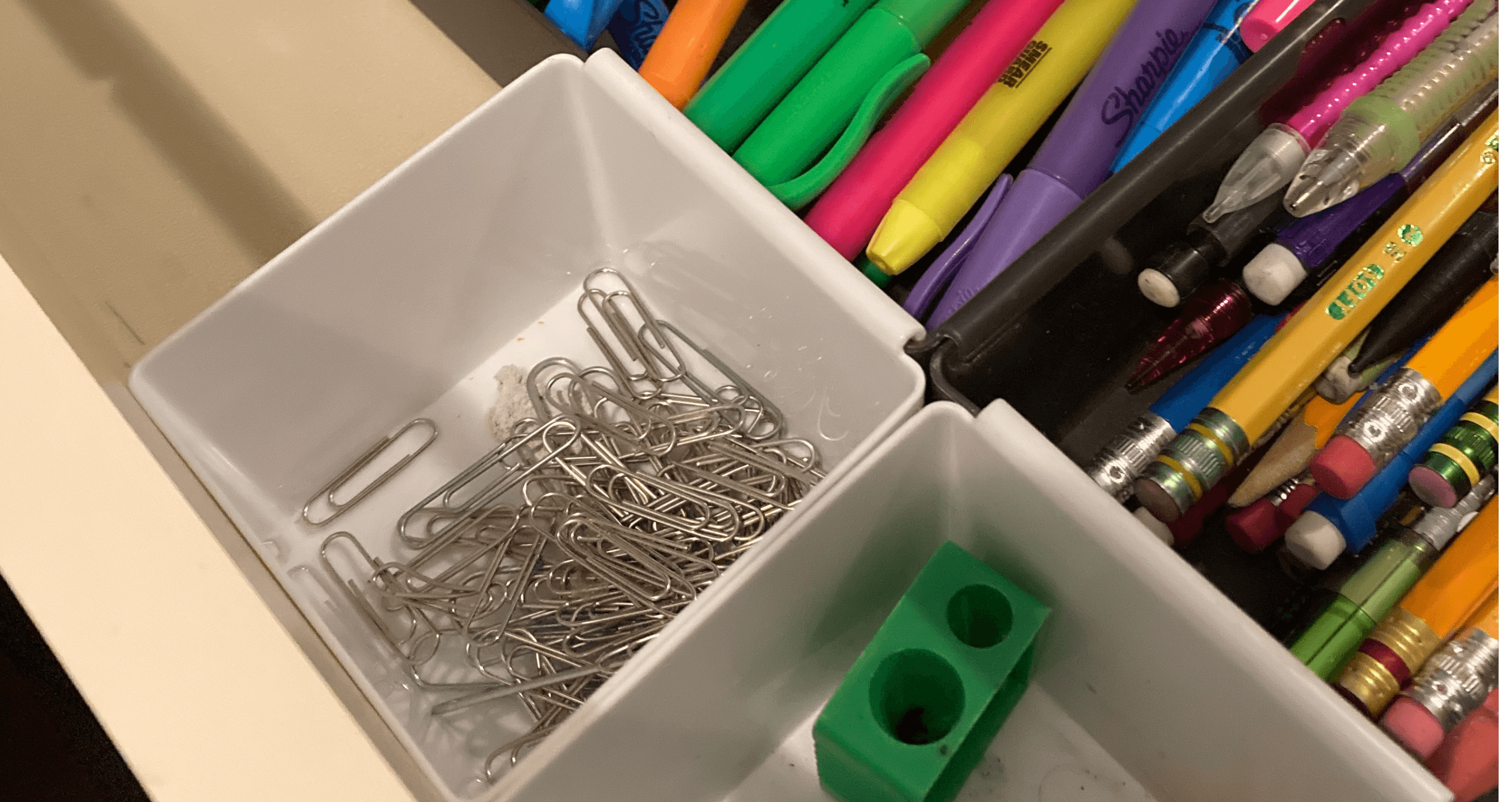
Completed all physical organizing tasks, including decluttering, cleaning, arranging, and labeling.
Identified storage needs and recommended containers or tools that supported the system’s function.
Impact
Functional, sustainable systems that clients could easily maintain
Improved efficiency and clarity in highly used spaces like kids’ rooms and home offices
Increased client confidence in managing their spaces independently
Strengthened problem-solving and design skills, especially in understanding user behavior
A deeper appreciation for human-centered organization, which shaped how I now approach designing any system
This project taught me that the most effective solutions are built with people, not just for them — a principle I carry into every project I lead.
Tools
Organizational Tools
Space planning & layout design
Functional storage solutions (bins, labels, containers, shelving)
Decluttering techniques to simplify and clarify spaces
Collaboration Tools
Active listening to understand client needs and routines
Clear communication during planning and implementation
Co-creation to help clients learn and maintain new structures
Strategic Tools
Problem-solving for space limitations and user-specific needs
Workflow analysis to determine ideal item placement
System design principles for long-term usability
Adaptability to adjust plans based on client habits